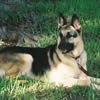
Your new dog will have a lot of adjustments to go through
in his/her new home. It would not matter if you spent
$10,000 on an imported show dog or adopt a shelter dog;
the adjustments are the same. We will try to outline
in the most detail possible to allow you some understanding
prior to adoption.
- All the dogs in rescue have been crate trained. They eat and sleep in their crates. If you would like to allow them more freedoms, or if they are only dogs, work your way up to those freedoms. Do not give the dog free roam of the house right off. If you do, you are asking for housetraining problems, anxiety issues, panic attacks, chewing, etc… The crate is their consistency and provides some comfort and calm, especially during their first couple of weeks in a new home.
- The dogs have been around our cats, our home, our children, neighbors, veterinarians, and volunteers. We know our dogs very well and love them. We will let you know their behaviors as we have observed them. When a dog goes into a new home, new and different behaviors can emerge that never happened before. Usually, owners call when they have ignored us and the dog wasn’t kept on his crate-training schedule or was over-fed.
- When dogs go into a new home, they will be very nervous. Nervous dogs drink as much water as is offered and will eat a lot also. You absolutely must monitor their intake. This will help them to maintain their crate and housetraining. Things to watch out for are open bathrooms (toilet) and other water sources. Water bowls should only contain a couple cups of water at a time. Food should be light for a couple days. As we all know, stomach butterflies go along with nerves. Basic intake/output is the rule. We expect a couple of accidents in the house until the dog figures out who and how to let you know they need to go out, and also until they figure out what door to go to, to be let out.
- If you have another dog or multiple pets of any kind, there will be adjustments. Dogs can take a coupleof weeks to adjust as they feel each other out and create boundaries. They usually do not “hit it off” right away. It is more of an aloof acceptance, and then a bunch of little squabbles when they get home and the first dog has to explain his territory to the new dog. Our dogs are tested with our cats. Our cats have lived or been raised since kittens around dogs. This does not mean that your cats will like a new dog. This doesn't mean that a new dog will not chase your cat. If they do not chase our cats, they have probably already been swatted by them. Please be fully aware of the feline/canine relationship before you blame the dog for anything.
- If you have small children, we are one of very few German Shepherd Dog rescues that will adopt to families with children. Most of the rescues have had to deal with people lacking common sense and decided it wasn’t worth it to adopt to younger than 12 year old children’s families. Dogs are children, children are children. They should never be left together without very strong supervision. Dogs play with their mouths and batting their paws. A large breed animal can easily accidentally scratch a child’s tender skin without meaning to hurt the child. The only person to blame is the adult. You should never, ever leave a child around a new animal of any kind. As the dog and child live together and bond, they will probably be inseparable and very protective. Until the time has passed though, neither the child nor the dog is predictable in this new situation. Your child must learn how to behave and treat the animal properly, and the dog must gain trust and understanding of the child. The crate becomes a blessing for parents everywhere. If the dog needs down time, it can go into its “bedroom” (the crate). The child can easily be instructed not to bother the dog at all, if it is in its crate. If you need to have some down time, the dog can be crated without anxiety, because it is used to having its “bedroom”.
- We have a no aggression policy. We have a 2-week holding period of observation and health care to review the dog’s mental and physical health. Again, the dogs have been around our home, children, dogs, cats, and volunteers. We can only account for their behavior while they have been with us. Dogs that show aggression issues that cannot be resolved are euthanized. This means that we have provided a stable environment for the animals and had them consistently around environments we expect them to act appropriately in. In order to maintain such behaviors, you must also expose them to the environments you would like them to behave well in. You cannot adopt a new dog, isolate it in your home for three months, and then expect the dog to make fast friends with another dog. The dogs in rescue HAD to get along with other dogs, it was mandatory! However, German Shepherds are very protective of home and family, and if playing with dogs is not established as an immediate normal behavior, they would become very home centric. Obedience classes and play dates are strongly advised. Otherwise, do not call us in six months complaining of dog aggression.

or